
Scaling Systems
March 13, 2026
The hidden revenue ceiling holding HVAC operators back — and how to break it.
.png)
March 13, 2026

10 Min. Read
March 13, 2026
Ask most HVAC operators what their biggest challenge is and the answer is usually the same.
“We need more leads.”
Lead generation is the most common focus in the home service industry.
Companies invest heavily in:
• Google ads
• Local Services Ads
• SEO agencies
• third-party lead platforms
But when you analyze many HVAC businesses closely, something surprising appears.
The real problem often isn’t the number of leads.
It’s what happens after those leads arrive.
When a homeowner submits a form or calls a service company, the opportunity has already been created.
The marketing worked.
But many HVAC companies lose that opportunity due to internal issues such as:
• slow response time
• missed calls
• weak dispatcher booking conversations
• inconsistent follow-up
These small breakdowns dramatically reduce the number of jobs that actually get booked.
The lead entered the system.
But it never turned into revenue.
Many HVAC operators track marketing spend carefully.
They know how much they pay for advertising.
But they rarely track the most important conversion metrics.
For example:
• lead-to-booking rate
• response time
• call answer rate
• follow-up success
Without these metrics, it becomes difficult to understand where revenue is being lost.
Companies often respond by purchasing more leads.
But if conversion systems remain weak, the additional leads simply leak out of the system as well.
One of the biggest conversion problems occurs during the booking process.
Dispatchers play a critical role in turning inquiries into scheduled service calls.
However, many companies lack structured booking systems.
Dispatchers may:
• provide too much technical information
• fail to guide the conversation
• allow customers to “call back later”
These small moments determine whether the job is booked or lost.
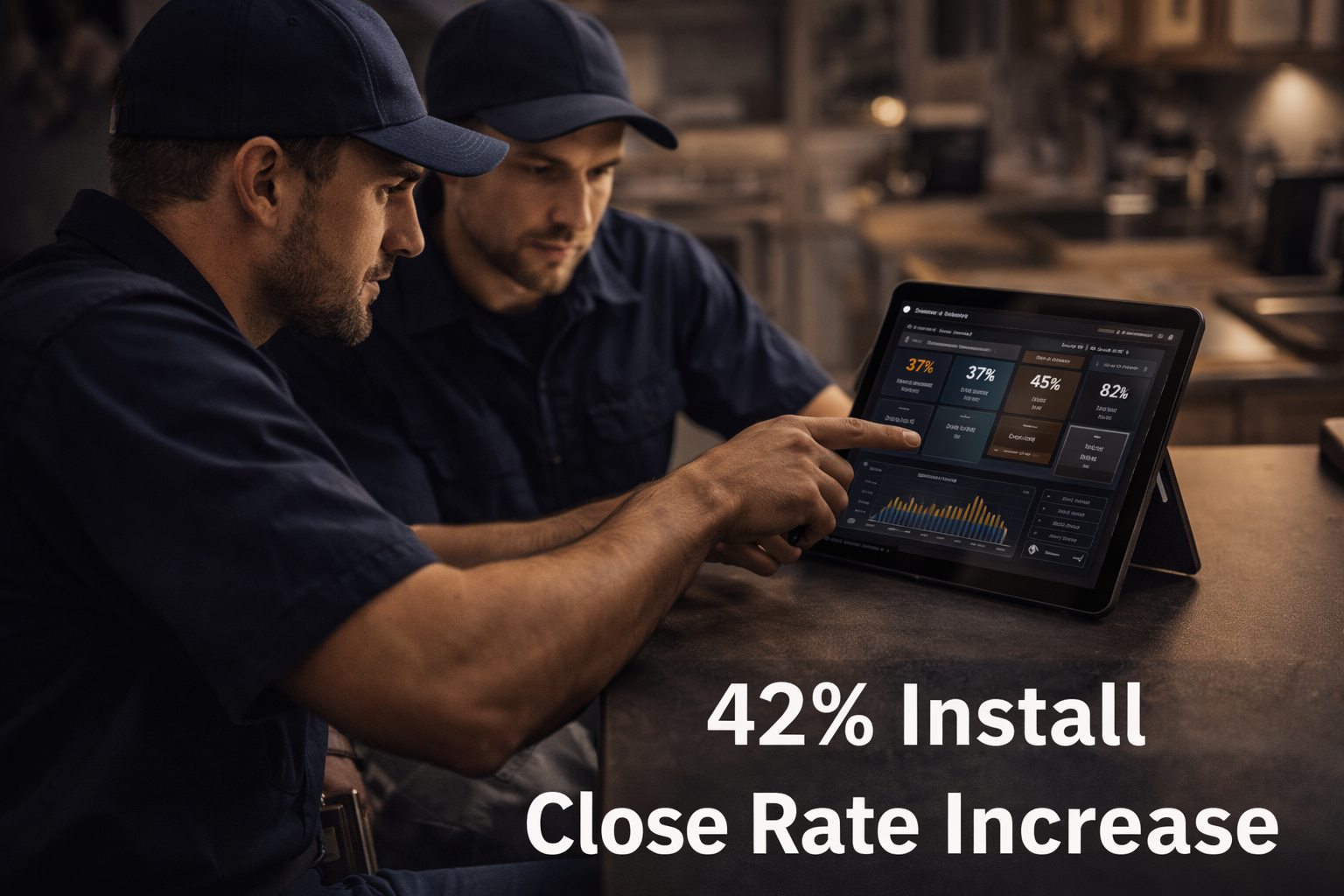
When booking systems improve, the number of scheduled service calls often increases dramatically without spending more on marketing.
At AnchorWorks we refer to this process as the Conversion Engine.
The Conversion Engine focuses on improving what happens after leads arrive.
It includes systems such as:
• dispatcher booking frameworks
• speed-to-lead automation
• call handling processes
• follow-up sequences for missed opportunities
When these systems are implemented correctly, companies convert a higher percentage of leads into scheduled jobs.
Many HVAC companies already have the demand they need to grow.
The real opportunity lies in improving how that demand is converted into booked work.
Once conversion systems improve, the same marketing budget often produces far more revenue.
Lead generation is important, but it is only one piece of the revenue system.
Companies that focus solely on generating more leads often overlook the operational systems that turn opportunities into jobs.
When conversion improves, growth becomes easier and far more predictable.
Sometimes the fastest way to increase revenue is not more marketing.
It’s better systems.


March 13, 2026
The hidden revenue ceiling holding HVAC operators back — and how to break it.

March 13, 2026
Most HVAC companies spend thousands on leads every month without realizing how much revenue they are leaking in the process.
We work with serious home service operators who want predictable installs and controlled growth. If that’s you, take the next step.





Privacy Policy | Terms of Service | Disclaimer |Do Not Sell or Share | DMCA Policy | Site Map
Copyright © 2026 AnchorWorks Collective LLC. All rights reserved.

